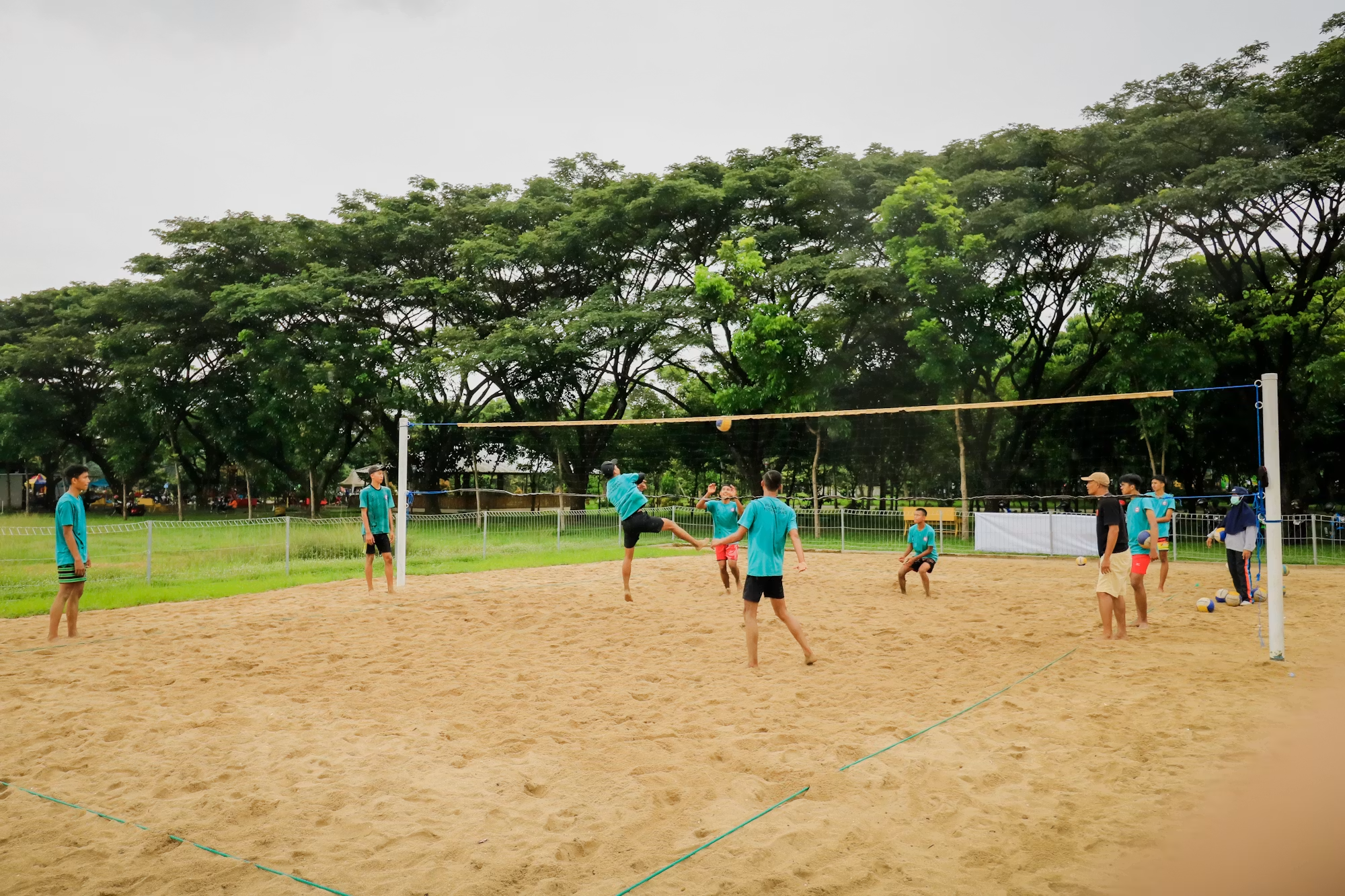
Team sports have been an integral part of human civilization, evolving from simple forms of competition to complex, organized activities that bring people together across the globe. This article traces the history of team sports, examining their development, the skills they foster, their cultural significance, and their ongoing impact on society.
The origins of team sports can be found in ancient civilizations, where various forms of organized play were common. In ancient Greece, the Olympic Games included team events that required collaboration and strategic thinking. Similarly, the Mesoamerican ballgame was not just a sport but a ritual that involved entire communities, showcasing the communal aspect of team sports from the outset.
As time progressed, so did the nature of team sports. The Middle Ages saw the emergence of games like jousting and early forms of football, which were played in various forms across Europe. These games often had loose rules and were primarily played for entertainment. The formalization of rules and the establishment of organized leagues began in the 19th century, marking a significant turning point in the history of team sports.
The establishment of associations, such as the Football Association in England in 1863, led to the creation of standardized rules, paving the way for competitive leagues. This period also witnessed the birth of iconic sports such as rugby and cricket, which emphasized teamwork, strategy, and skill. These developments laid the groundwork for modern team sports, where the focus shifted towards structured competitions and fan engagement.
Today, team sports encompass a wide variety of activities, each with its own unique characteristics and requirements. Soccer, for instance, is celebrated for its simplicity and universal appeal, while basketball highlights speed and agility, showcasing the diverse range of skills athletes must develop. The unique demands of each sport foster not only physical prowess but also essential life skills such as teamwork, communication, and resilience.
Teamwork is at the heart of every successful team sport. Athletes learn to work together towards a common goal, developing trust and mutual respect. This collaborative spirit extends beyond the field, influencing participants’ lives in profound ways. Skills learned in team sports often translate into effective communication and problem-solving abilities in everyday life, making them invaluable for personal development.
In addition to fostering essential skills, team sports have a significant cultural impact. They unite communities and create a sense of belonging among fans and participants alike. Major events, such as the FIFA World Cup or the Olympics, draw millions of spectators and foster national pride, showcasing the power of sports to bring people together.
Rivalries between teams further enhance this sense of community, igniting passionate support and intense loyalty. Fans often develop lifelong bonds through their shared experiences, making sports a cornerstone of cultural identity in many regions. Traditions, rituals, and fan engagement practices are all part of the rich tapestry that makes team sports a central aspect of society.
The role of coaches and managers cannot be overlooked in this evolution. They play a critical part in shaping athletes’ skills and developing team dynamics. Effective coaching involves more than just strategizing; it requires building relationships and understanding individual players’ strengths and weaknesses. The best coaches inspire athletes, fostering a culture of support and growth.
Furthermore, sportsmanship remains a vital aspect of team sports. Emphasizing respect for opponents and adherence to the rules, sportsmanship cultivates an environment where competition can thrive without compromising integrity. The values instilled through sportsmanship—fairness, respect, and humility—carry over into everyday life, influencing behavior both on and off the field.
The impact of team sports extends beyond individual and community benefits. They promote physical fitness, encouraging healthy lifestyles among participants and spectators alike. Community sports programs and youth leagues play a pivotal role in fostering engagement, making sports accessible to all. Such initiatives help develop talent from a young age, ensuring that the spirit of teamwork and collaboration continues to flourish.
In recent years, the rise of technology and media has transformed how team sports are experienced and consumed. Television broadcasts, social media, and digital platforms allow fans to engage with their favorite teams like never before. This increased visibility has fueled interest and participation, making team sports more popular across demographics.
Moreover, grassroots movements and community initiatives have emerged, focusing on inclusivity and accessibility. These programs aim to break down barriers to participation, ensuring that everyone, regardless of background, has the opportunity to engage in team sports. This focus on inclusivity is vital for nurturing a love for sports among future generations.
As team sports continue to evolve, their significance in society remains profound. They are not merely games; they are platforms for growth, connection, and shared experiences. The journey of team sports reflects humanity’s capacity for collaboration and the joy found in collective effort. Whether through competing on the field or cheering from the sidelines, team sports unite individuals, fostering a sense of community and belonging that resonates across cultures and generations.
In conclusion, the evolution of team sports is a testament to their enduring appeal and impact. From ancient games to modern leagues, the principles of teamwork, culture, and personal development remain central. As we look to the future, the continued evolution of team sports promises to enrich lives and strengthen communities, reminding us of the ultimate power of unity in motion.